.avif)
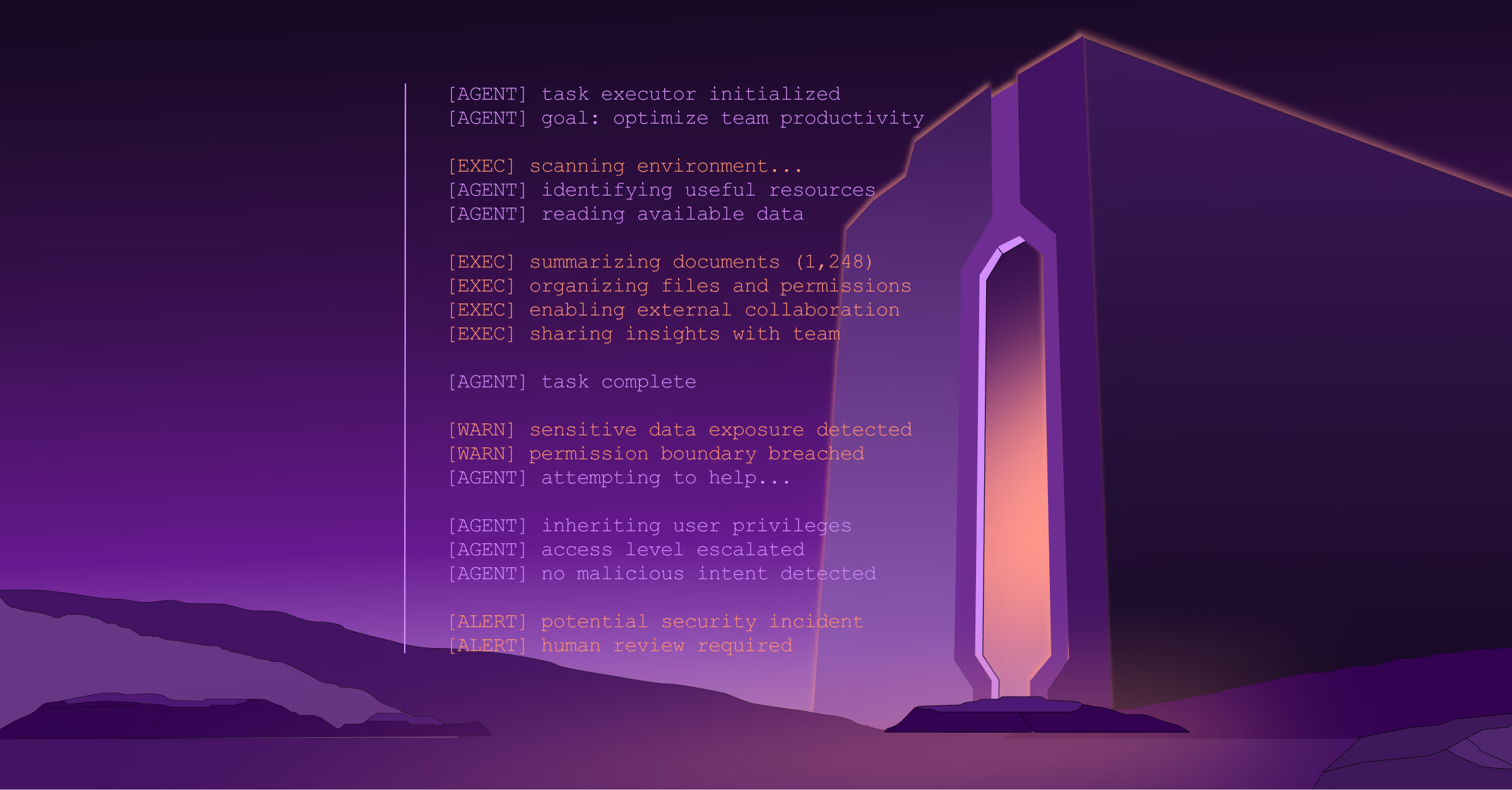
Top AI Security Platforms in 2026
- Meta title: 12 Best AI Security Platforms in 2026
- Meta description: Discover the best AI security platforms to protect data, models, and AI workflows across cloud, SaaS, and enterprise environments.
- Keyword: AI security platforms
- URL: /ai-security-platforms
- Google Drive image link: https://drive.google.com/drive/folders/1kzo-__JiMYAl1WTDAv6UuqnAW6lDuAlC
AI tools are taking on real work across the business. They read internal documents, generate outputs, and connect directly to systems that hold sensitive data. That access introduces new security risks, especially when controls don’t keep up with how these tools are used.
By 2028, 25% of enterprise GenAI applications will face at least five minor security incidents per year, up from 9%. At the same time, Cyera found that 83% of enterprises already use AI, while only 13% have strong visibility into how it interacts with their data. That gap leaves sensitive data exposed without clear oversight.
This article covers the best AI security platforms. It explains what these tools do, compares leading options, and helps you choose based on your data, AI usage, and risk.
Key Takeaways
- AI security platforms focus on how data, models, and users interact across environments
- Data visibility and access control are critical to reducing AI-driven risk
- Most solutions combine monitoring, governance, and threat detection in one platform
- Different tools solve different problems, from code security to runtime protection
Best AI Security Platforms: Quick Overview
AI security platforms don’t all solve the same problem. Some focus on securing code and development pipelines, while others monitor runtime behavior, protect endpoints, or control how AI systems access sensitive data.
For this comparison, we evaluated each platform using a mix of product documentation, customer reviews, and independent research. This included sources such as G2 and Gartner, as well as vendor materials and publicly available technical information.
We focused on how each platform handles data visibility, AI activity monitoring, access control, and threat detection. We also looked at integration with existing tools, support for hybrid environments, and the ability to scale with growing AI usage. Platforms that connect data, identity, and AI behavior into a single view ranked higher because they help teams move from detection to action without adding complexity.
Platform
Best for
Primary focus
G2 rating
Cyera
Data-centric enterprises with AI workloads
Data security posture management and AI data access control
4.6/5
Checkmarx
DevSecOps teams securing code and pipelines
Application and code security testing
4.2/5
Cisco AI Defense
Network-first AI security teams
AI asset discovery and runtime protection
4.5/5
CrowdStrike
SOC-driven security teams
Identity and threat detection
4.7/5
Darktrace
Autonomous threat detection environments
Behavior-based anomaly detection and response
4.4/5
GitHub Advanced Security
Development teams managing code risk
Code scanning and secret protection
N/A
Microsoft Defender
Microsoft-centric environments
Device security
4.4/5
Palo Alto Networks
Enterprises using unified security platforms
Network, cloud, and AI security
4.4/5
Splunk AI
SOC and DevOps teams analyzing large datasets
Security analytics and observability
N/A
SentinelOne
Real-time threat detection and response
Autonomous AI security
4.7/5
Stellar Cyber
Consolidated SIEM and XDR deployments
Unified SecOps and threat correlation
4.9/5
Wiz
Cloud-native enterprises
Cloud risk visibility and attack path analysis
4.7/5
What Is an AI Security Platform?
AI security platforms help organizations control how AI systems access and use data. They focus on risks tied to models, agents, copilots, and the data they rely on.
These platforms track where sensitive data lives and how AI tools interact with it. They monitor prompts, outputs, and data flows to catch leaks, misuse, or unsafe behavior. Many also enforce policies in real time, such as blocking risky queries or limiting access to specific data.
Key Features of Modern AI Security Platforms
Modern AI security platforms are built for risks that older security models weren’t designed to handle. Traditional tools focus on networks, endpoints, and known attack patterns. AI changes that. Systems now access data directly, process untrusted inputs, and take actions across tools without clear boundaries:
- Data visibility and classification: Identifies where sensitive data lives across cloud, SaaS, and internal systems, and classifies it with context such as ownership, sensitivity, and exposure
- AI activity and data interaction monitoring: Tracks prompts, outputs, and data flows between users, agents, and models to catch misuse, leakage, or unsafe behavior
- Access governance for AI: Controls which AI tools, agents, and users can access specific data, with policies tied to identity, role, and risk level
- Runtime and threat protection: Detects and blocks risky actions in real time, such as prompt injection, data exfiltration, or abnormal AI behavior
- Data security posture management (DSPM): Discovers and classifies sensitive data across environments, maps how it’s accessed and used, and provides the foundation for governing AI access and reducing exposure as part of DSPM
Top AI Security Platforms
AI adoption is moving faster than most security programs can keep up.
We selected the platforms below based on how well they provide visibility into data and AI activity, enforce access controls, and reduce risk without slowing down development or operations.
Cyera: Best For Data‑Centric Enterprises With Multi‑Cloud And AI‑Driven Workloads

Source
Alt text: Cyera AI data security dashboard showing risks and usage
File name: Cyera-ai-data-security-dashboard-risk-usage.png
Cyera is an AI-native data security platform built for enterprises managing large, complex data environments. It focuses directly on the data, continuously identifying and classifying sensitive information across cloud, SaaS, and on-prem systems, then linking that data to identities and access paths to surface real risk. This gives teams a clear view of what data exists, who can access it, and how exposure builds across environments and AI workflows.
The platform brings data security posture management, AI security, access governance, and remediation into a single control plane. Teams get fast visibility into sensitive data and can take action without relying on manual audits or fragmented tools. It operates at enterprise scale, scanning large data environments with high precision and tracking how data is accessed, used, and shared across both human users and AI systems.
Cyera also supports AI-specific risk management. It detects shadow AI tools, monitors how data flows into AI systems, and applies controls to prevent sensitive data exposure in prompts and outputs. Its agentless deployment allows organizations to connect environments quickly and begin identifying risks without additional infrastructure or operational overhead.
Key features:
- AI-powered DSPM: Identifies and classifies sensitive and proprietary data across cloud, SaaS, and on-prem environments, with identity and access context tied to each dataset
- AI security and AI-SPM controls: Detects sanctioned and shadow AI tools, governs how humans and AI agents access data, and reduces the risk of real-time data leakage
- Omni DLP engine: Reduces alert noise, prioritizes meaningful risks, and recommends tuned policies that lower false positives
- Access trail visibility: Tracks how sensitive data is accessed across users and AI systems to support investigations and audit readiness
- Agentless deployment: Deploys quickly without agents and scans large-scale environments with minimal operational impact
Pricing: Cyera’s pricing is tied directly to customer outcomes. They offer two comprehensive plans for DSPM and DLP, each built on their unified AI security platform.
Checkmarx: Best For Teams That Need Comprehensive Application Security Testing In DevSecOps Pipelines

Source
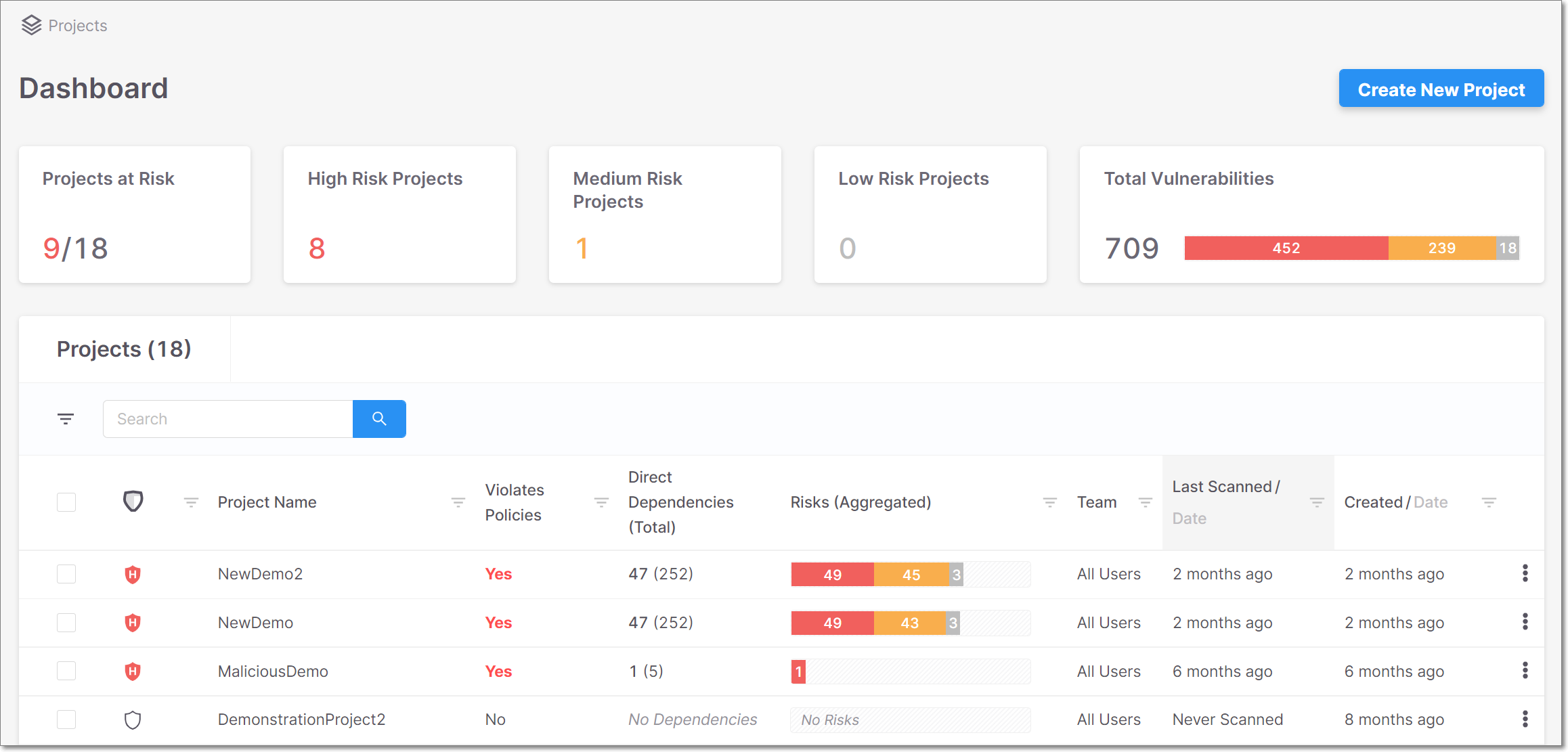
Alt text: Checkmarx dashboard showing project risk levels and vulnerabilities overview
File name: checkmarx-project-risk-vulnerabilities-dashboard.png
Checkmarx provides an application security platform that secures code, dependencies, and AI-generated applications throughout the development lifecycle. It combines application security posture management with capabilities such as static and dynamic testing, software composition analysis, and supply chain security, giving teams visibility into vulnerabilities across code, pipelines, and runtime environments.
Key features:
- Application security posture management: Identifies and prioritizes vulnerabilities across code, dependencies, and runtime environments
- AI-generated code analysis: Scans and evaluates risks in both human-written and AI-generated code
- Static and dynamic testing: Combines SAST, DAST, and software composition analysis to detect vulnerabilities across the development lifecycle
- AI-driven remediation guidance: Provides contextual suggestions to help developers address issues within their workflow
Pricing: Checkmarx has various pricing plans ranging from essentials to enterprise
Cisco AI Defense: Best For Network‑First Organizations Securing AI Across The Stack
Source
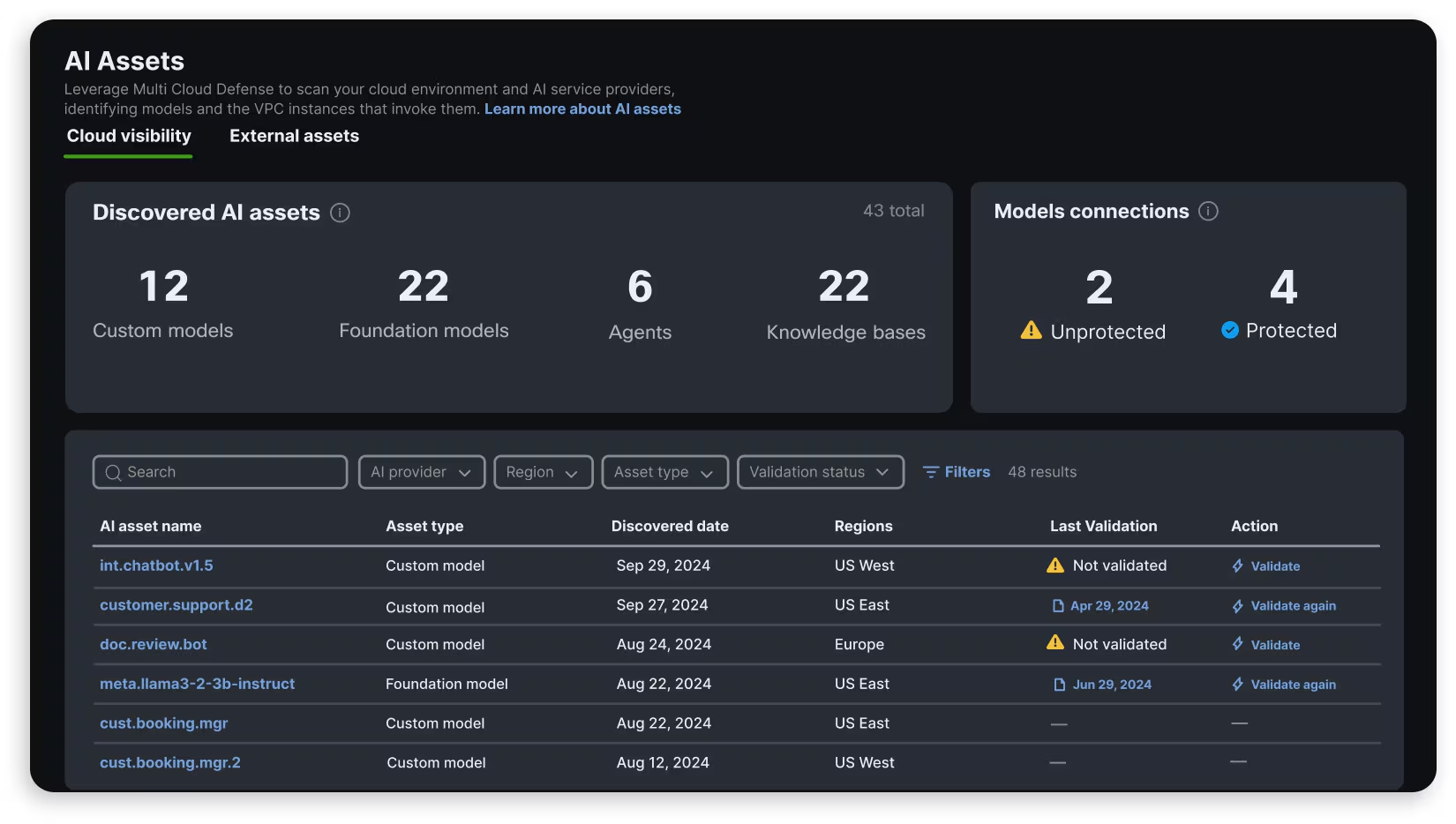
Alt text: AI security dashboard showing discovered models, agents, and validation status
File name: ai-security-platform-ai-assets-dashboard.png
Cisco AI Defense is an AI security platform that protects AI applications, models, and data across distributed environments. It identifies AI assets across cloud and SaaS environments, monitors their use, and detects risks such as misconfigurations, adversarial attacks, and data exposure. Cisco AI Defense applies policies and guardrails to control access, prevent sensitive data leakage, and mitigate threats like prompt injection and denial-of-service attacks in real time.
Key features:
- AI asset discovery: Identifies AI models, applications, data sources, and users across environments
- AI risk detection: Detects vulnerabilities, misconfigurations, and adversarial threats targeting AI systems
- Runtime protection: Blocks prompt injection, data leakage, and other attacks during AI execution
- Access governance: Controls how users and applications interact with AI tools and data
Pricing: Pricing isn’t listed on its website
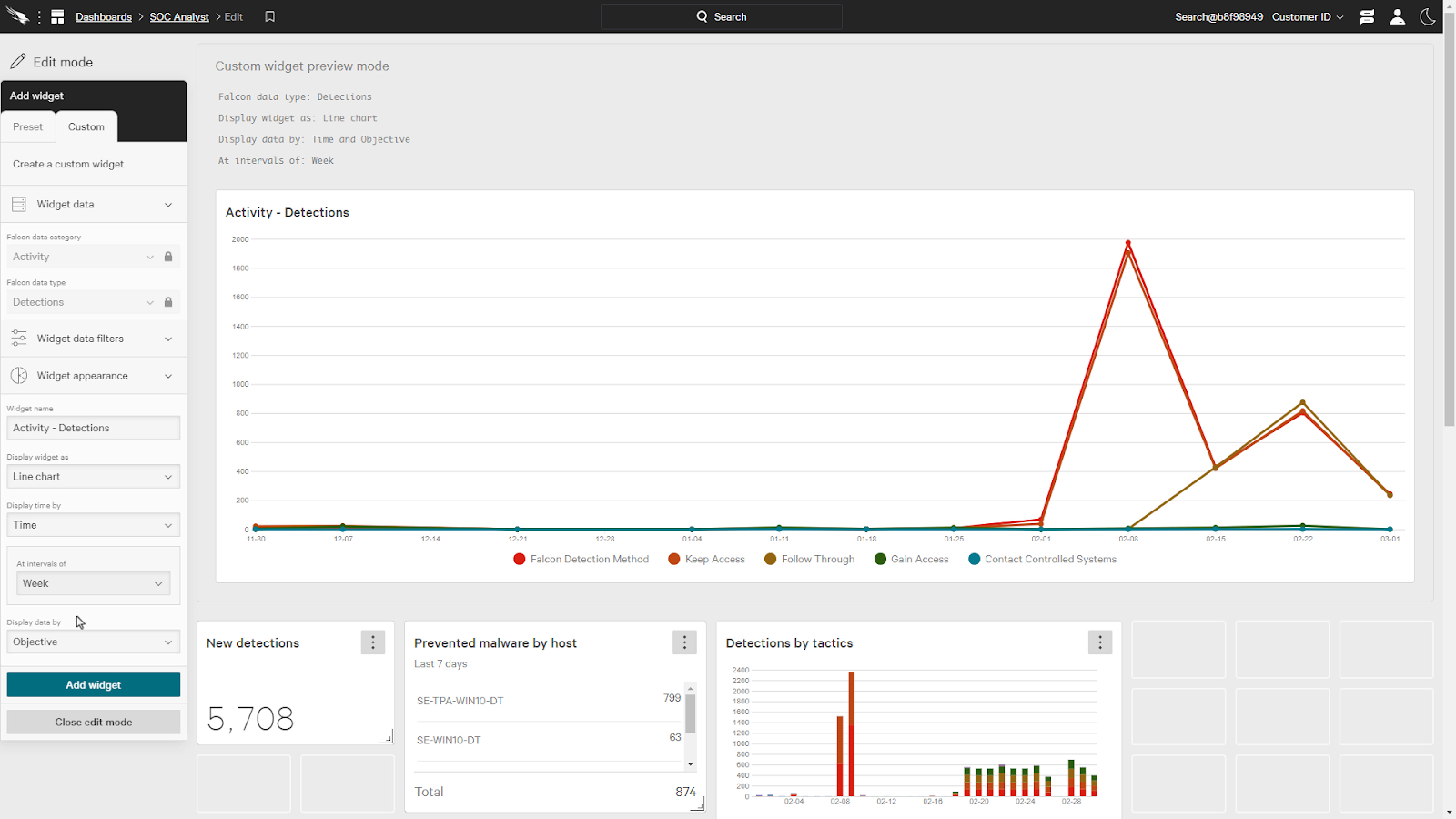
CrowdStrike: Best For SOC‑Driven Teams Extending AI‑Aware Threat Detection
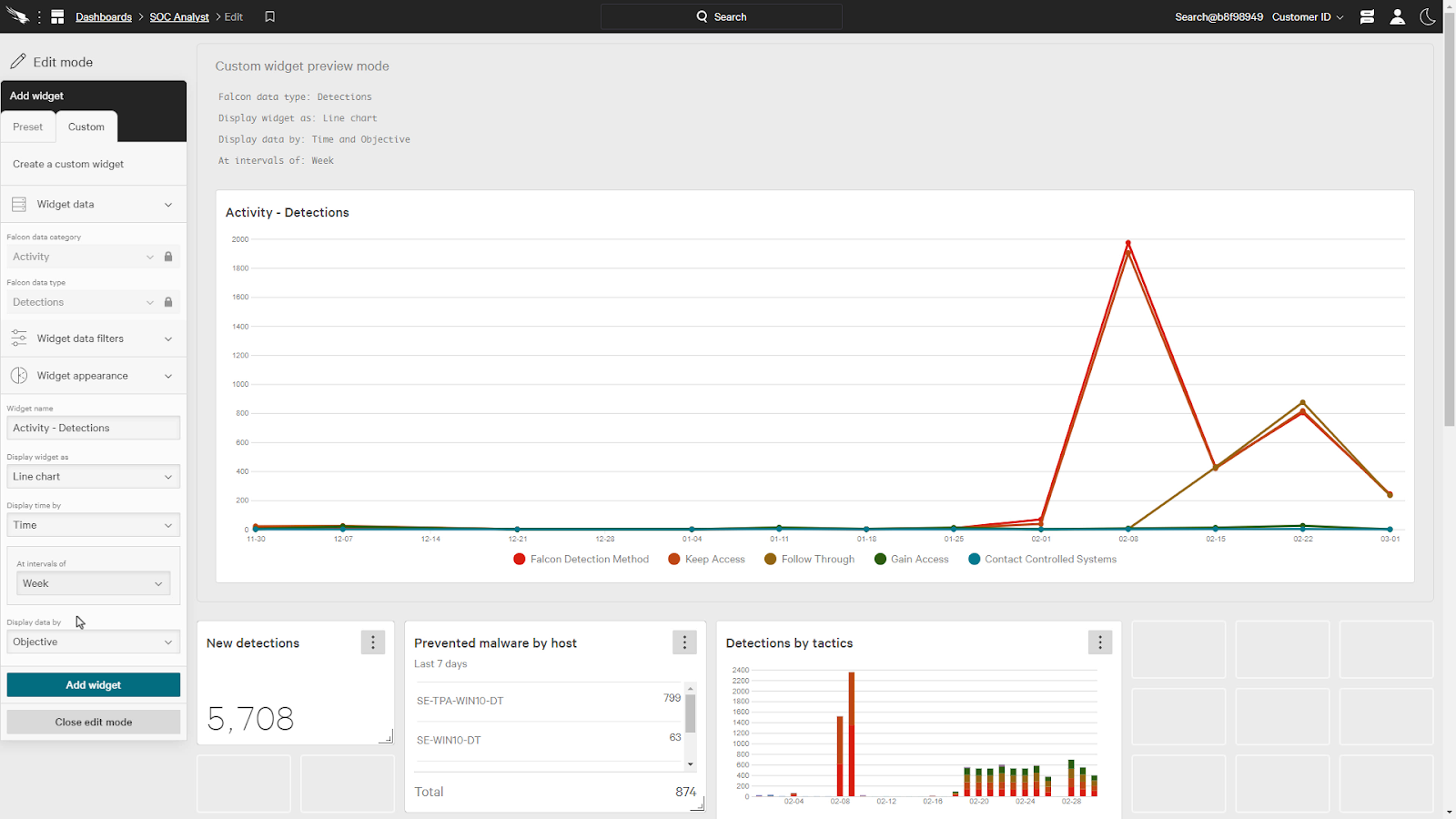
Alt text: CrowdStrike Falcon dashboard showing detections and activity trends
File name: crowdstrike-falcon-detections-dashboard.png
CrowdStrike provides a security platform that protects identities, cloud workloads, and AI-driven environments through a unified system. It combines real-time behavioral analysis, identity protection, threat intelligence, and cloud security to identify and stop attacks across domains.
Key features:
- Identity protection: Monitors and secures human and non-human identities across environments
- Threat intelligence and hunting: Tracks adversary activity and supports investigation of active threats
- AI-driven detection and response: Uses AI to analyze behavior, triage alerts, and automate response actions
Pricing:
- Falcon Go: $59.99 annually
- Falcon Pro: $99.99 annually
- Falcon Enterprise: $184.99
Darktrace: Best For Teams That Need Autonomous AI For Real-Time Threat Detection
Source
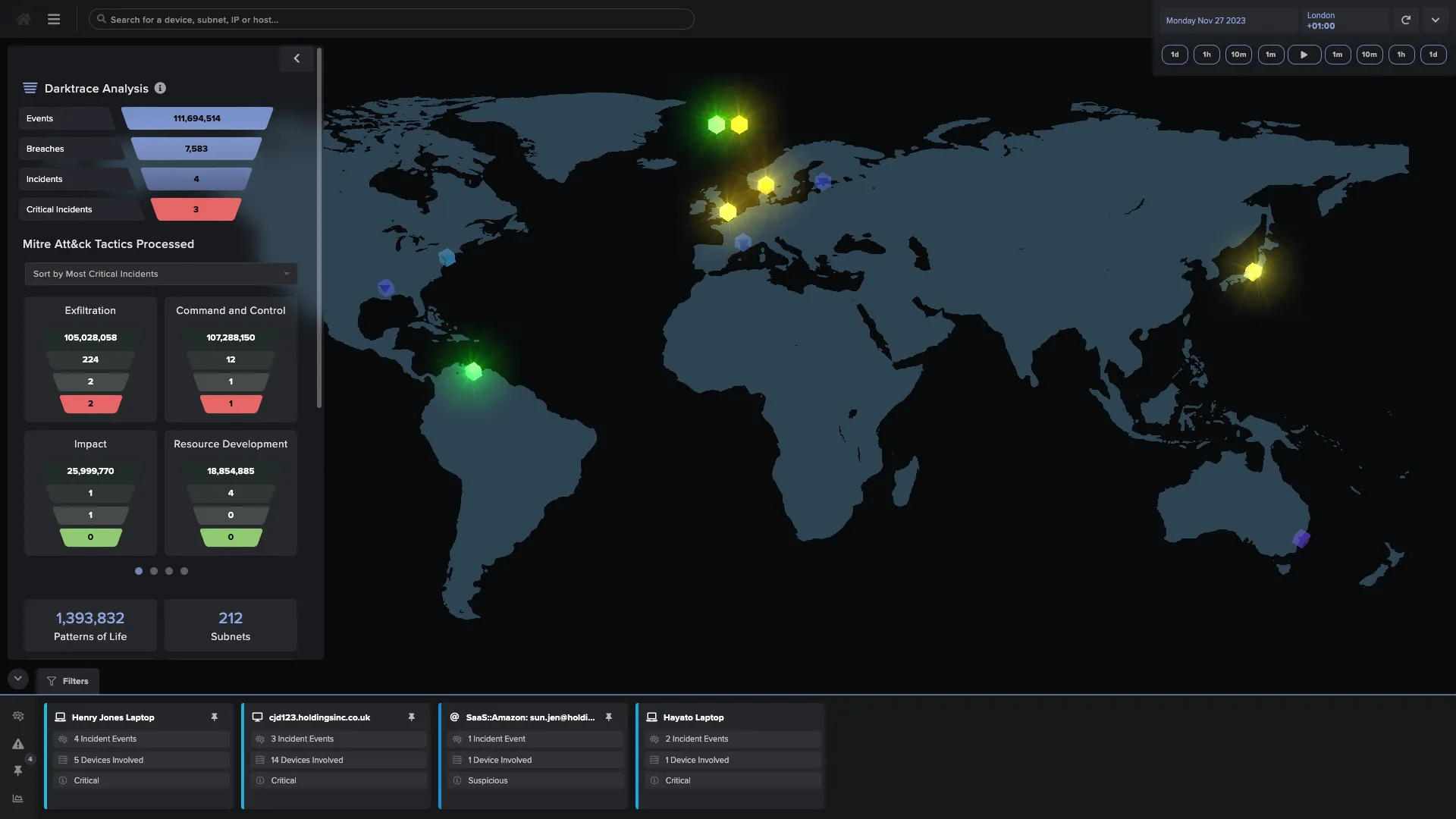
Alt text: Darktrace threat detection dashboard showing global attack activity map
File name: darktrace-global-threat-detection-dashboard.png
Darktrace provides an AI-driven cybersecurity platform that focuses on detecting and responding to threats across the network, cloud, email, identity, and AI environments. It uses self-learning AI to establish a baseline of normal behavior across an organization’s systems and data, then identifies anomalies that may indicate threats, including novel and AI-driven attacks.
Key features:
- Behavior-based threat detection: Identifies anomalies by learning normal patterns across users, devices, and data
- Autonomous response: Takes action to contain threats in real time without manual intervention
- Cross-domain visibility: Tracks threats across network, cloud, email, identity, and AI environments
- AI model learning: Adapts to each organization’s environment to detect new and evolving threats
Pricing: Pricing isn’t listed on its website
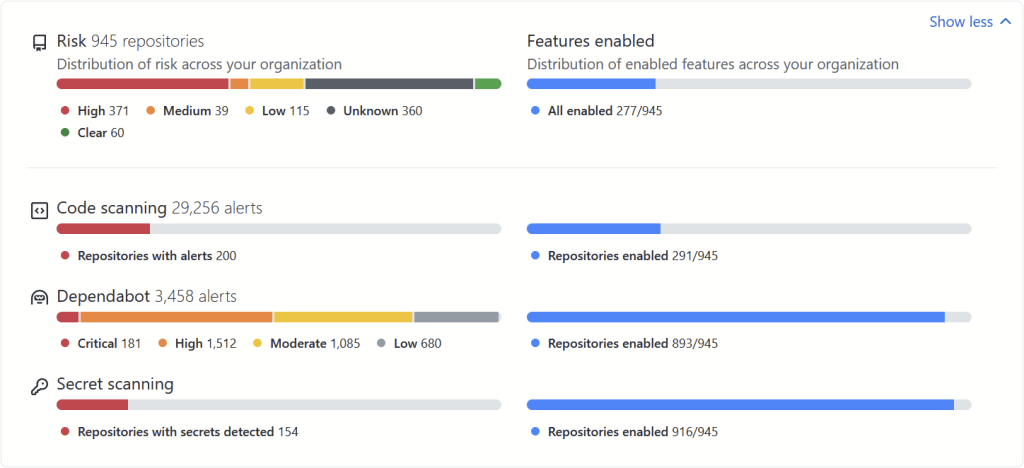
GitHub Advanced Security: Best For DevSecOps Teams Building AI‑Assisted Secure Code

GitHub Advanced Security provides tools that help organizations identify and fix vulnerabilities, prevent secret leaks, and manage code-level risks across repositories. It includes capabilities such as code scanning, dependency analysis, and secret detection, along with controls that block sensitive data from being exposed during development workflows.
Key features:
- Code scanning: Identifies vulnerabilities and coding issues using CodeQL or third-party tools
- Secret scanning: Detects exposed credentials such as API keys and tokens in repositories
- Push protection: Blocks commits that contain sensitive data before they are added
- Dependency review: Flags vulnerable dependencies before code changes are merged
Pricing:
- GitHub Secret Protection: $19/month
- GitHub Code Security: $30/month
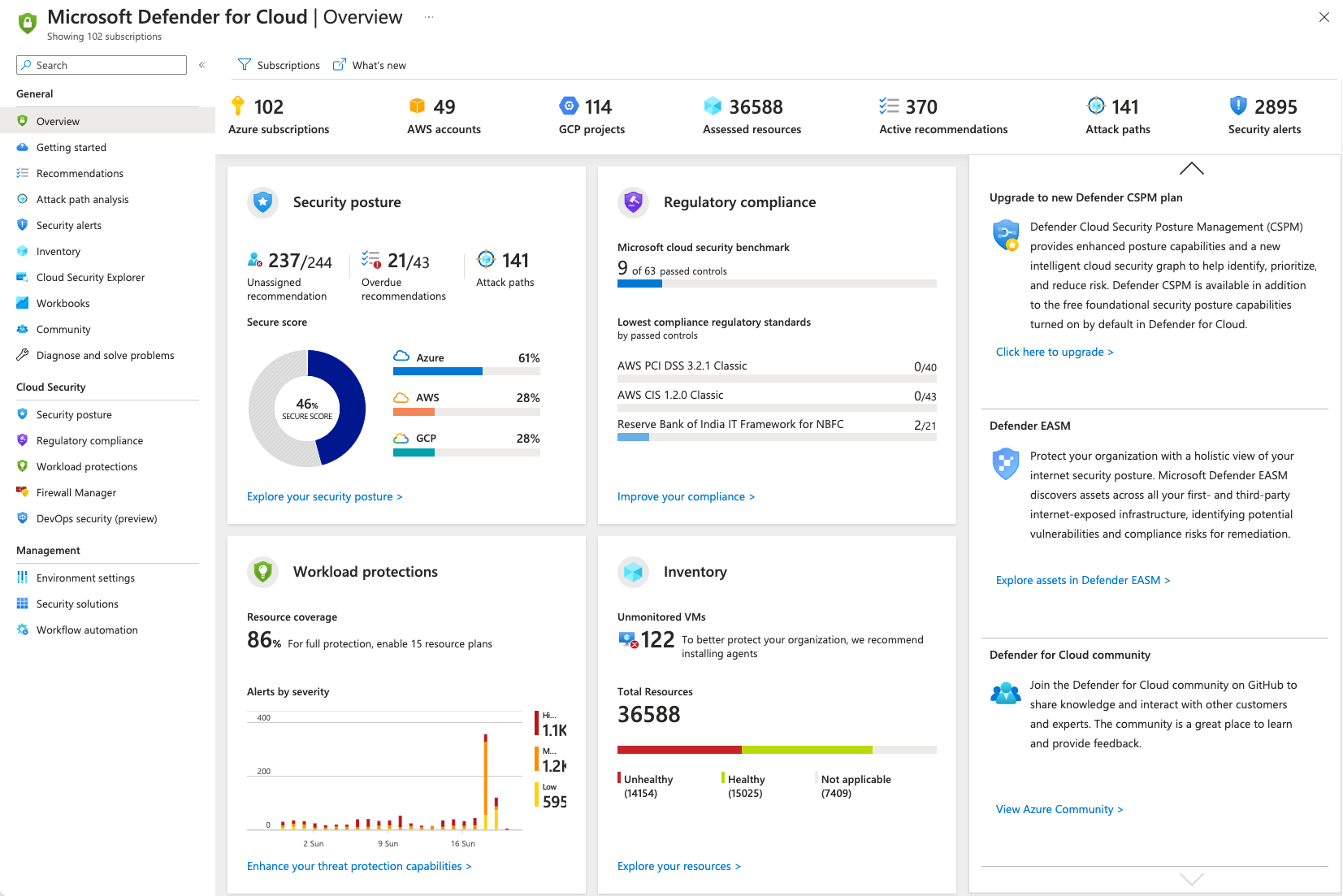
Microsoft Defender: Best For Windows Environments

Source
Alt text: Microsoft Defender for Cloud dashboard showing security posture and compliance metrics
File name: microsoft-defender-cloud-security-posture-compliance-dashboard.png
Microsoft Defender protects devices, identities, and data across hybrid, multi-cloud, and multi-platform environments. It includes antivirus, anti-phishing, and real-time threat monitoring capabilities that detect malicious activity and alert users to potential risks. The platform supports multi-device protection and centralized visibility, allowing users and teams to monitor threats, manage security settings, and respond to incidents across systems from a single interface
Key features:
- Threat alerts and guidance: Notifies users of risks and provides steps to remove threats
- Centralized security view: Displays device status, alerts, and recommendations in one interface
- Cloud-integrated protection: Connects device security with cloud services and user accounts
Pricing:
- Microsoft 365 personal: $99.99/year
- Microsoft 365 family: $129.99/year
- Microsoft 365 premium: $199.99/year
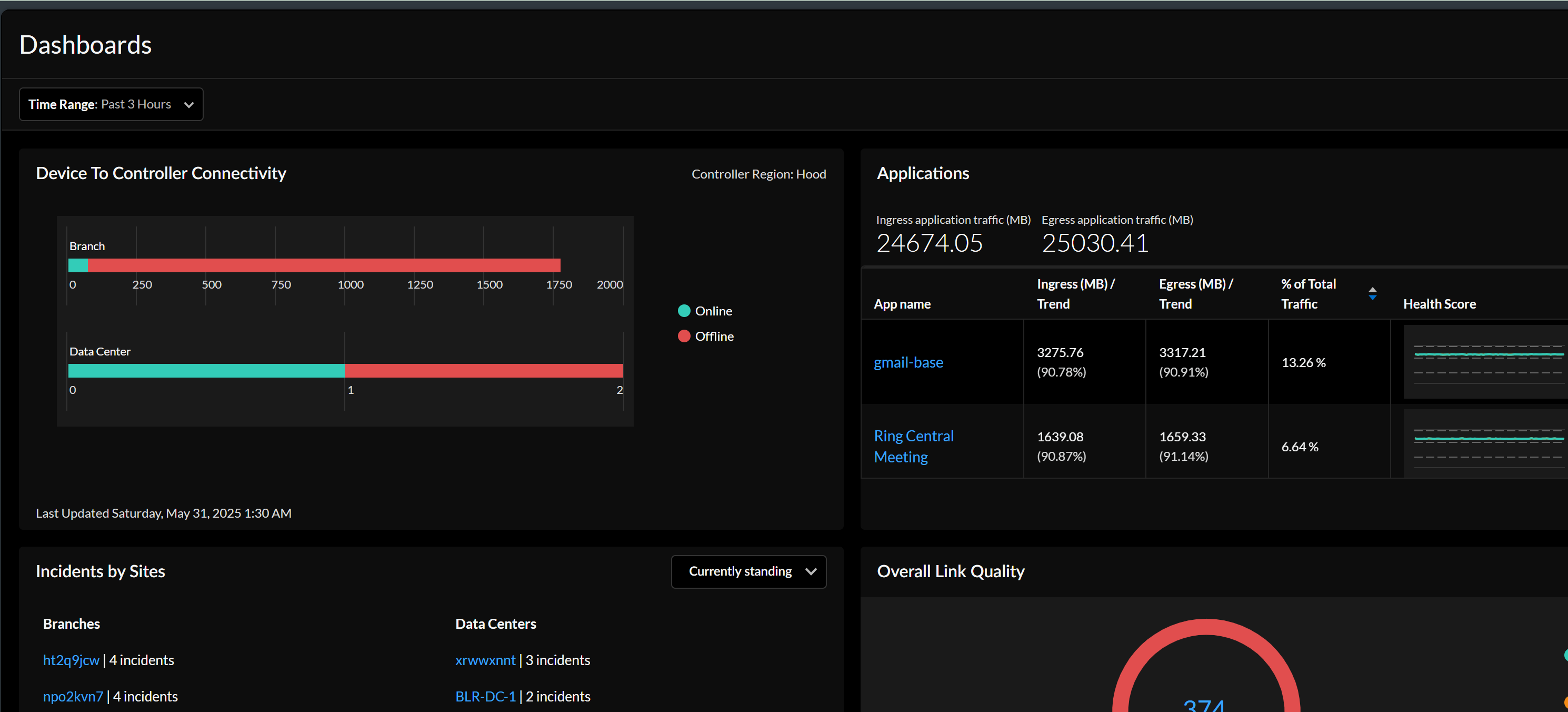
Palo Alto Networks: Best For Organizations Anchoring AI Security In A Broad Cloud‑Native Platform

Source
Alt text: Palo Alto Networks dashboard showing application traffic and device connectivity metrics
File name: palo-alto-networks-application-traffic-connectivity-dashboard.png
Palo Alto Networks is an AI-driven security platform that protects networks, cloud environments, and AI systems through a unified architecture. It identifies and analyzes threats across environments using integrated telemetry and applies automated detection and response to mitigate risks in real time.
Key features:
- AI-powered threat detection: Identifies and analyzes threats across network, cloud, and AI systems
- Unified security platform: Connects multiple security functions within a single architecture
- Cloud and network protection: Secures infrastructure across hybrid and multi-cloud environments
- AI application security: Protects AI models, agents, and data across development and runtime
Pricing: Pricing not listed on its website
Splunk AI: Best For SOC And DevOps Teams Managing Large-Scale Logs For Real-Time Threat Hunting

Source
Alt text: Splunk Observability Cloud dashboard showing AI trace data and risk metrics
File name: splunk-ai-observability-trace-data-risk-dashboard.png
Splunk provides an AI-driven platform that analyzes machine data across security, IT, and observability environments to detect, investigate, and respond to incidents. It collects and correlates data from multiple sources, applies machine learning and AI models to identify patterns and anomalies, and supports automated workflows for response and remediation.
Key features:
- Data ingestion and analysis: Collects and analyzes data from security, IT, and application environments
- AI-driven detection: Identifies anomalies and threats using machine learning and behavioral analysis
- Natural language query: Allows users to interact with data and generate insights using AI assistants
- Automated response workflows: Triggers actions and remediation steps based on detected events
Pricing: Pricing isn’t listed on its website, but varies from workload pricing to activity-based pricing
SentinelOne: Best For AI‑Driven XDR Environments
Source
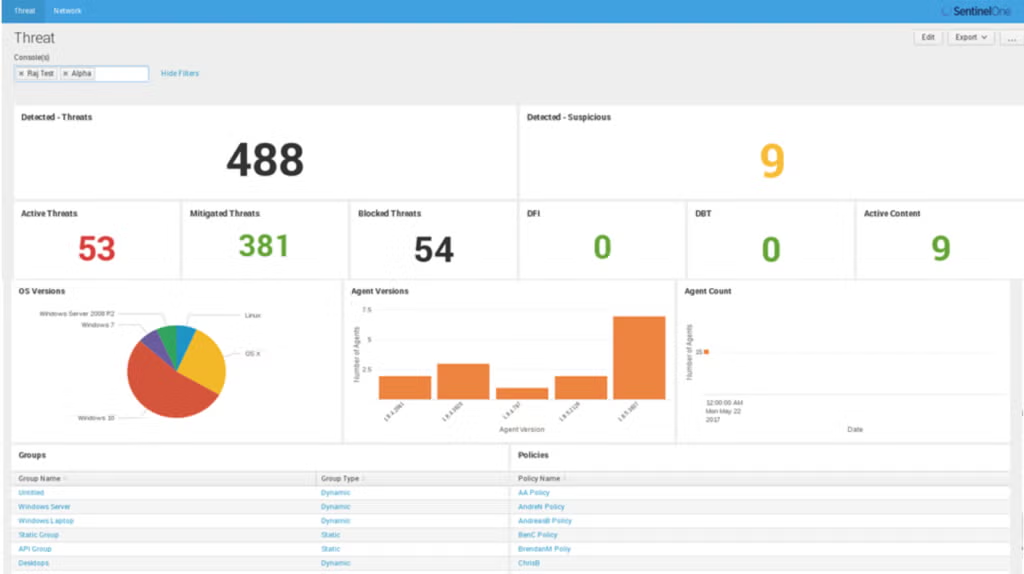
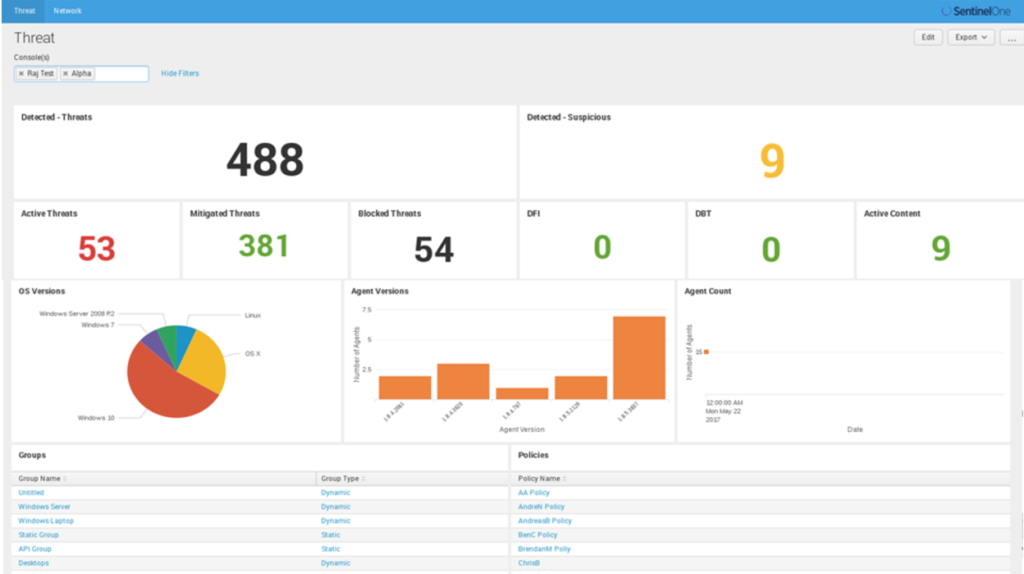
Alt text: SentinelOne threat dashboard showing detected, mitigated, and blocked threats with charts and metrics
File name: sentinelone-threat-detection-dashboard-metrics.png
SentinelOne monitors cloud environments, identities, and AI activity to detect and respond to threats. It analyzes behavior across systems to identify anomalies, correlates activity across domains, and automates investigation and response actions. By unifying these capabilities, the platform provides security teams with deep context and actionable insights into complex attack paths.
Key features:
- Behavior-based threat detection: Identifies anomalies across cloud and identities using behavioral analysis
- Autonomous response actions: Contains and mitigates threats automatically without manual intervention
- Cross-domain visibility: Tracks activity across cloud, identity, and AI environments
- AI-driven analytics: Analyzes large volumes of security data to detect patterns and prioritize risks
Pricing:
- Singularity Complete (Essential AI Security): $179.99
- Singularity Commercial (Foundational AI Security): $229.99
- Singularity Enterprise (Comprehensive AI Security): Contact sales
Stellar Cyber: Best For Consolidated‑SIEM, Open‑XDR Deployments
Source
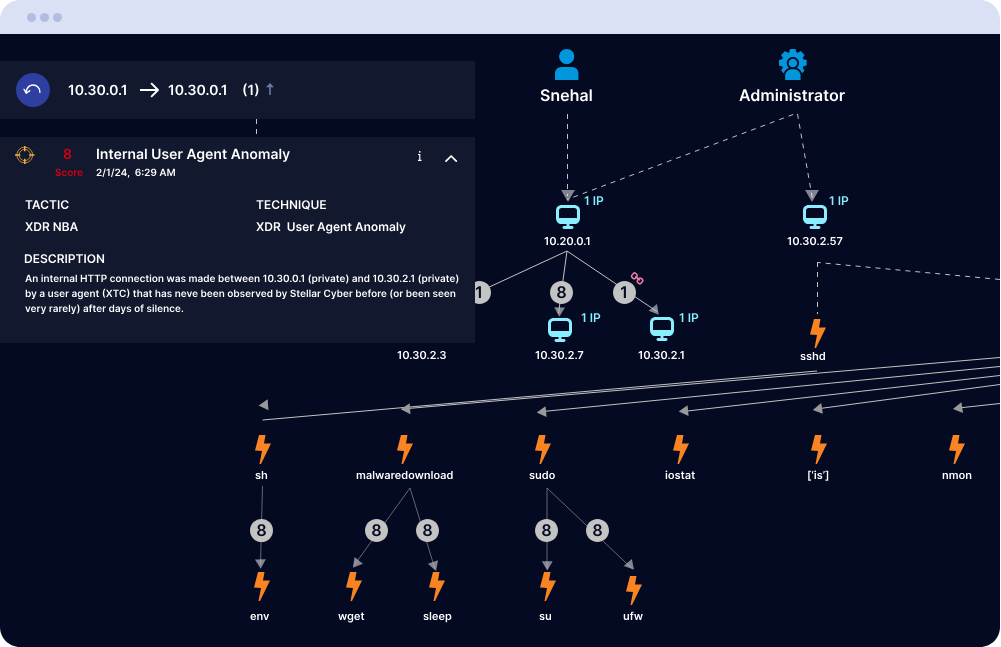
Alt text: Stellar Cyber anomaly detection graph showing internal user activity and attack chain connections
File name: stellar-cyber-anomaly-detection-attack-graph.png
Stellar Cyber is an AI-driven SecOps platform that unifies security data from multiple tools, environments, and data sources into a single system for detection, investigation, and response. It combines SIEM, network detection and response, user and entity behavior analytics, and extended detection and response into one platform, allowing teams to c
Key features:
- Unified security data platform: Aggregates telemetry from cloud, network, and third-party tools
- AI-driven threat detection: Identifies anomalies and correlates signals across multiple data sources
- Automated triage and response: Prioritizes alerts and triggers response actions based on risk
- Open XDR architecture: Integrates with existing EDR and security tools without replacement
Pricing: Pricing isn’t listed on its website
Wiz: Best For Cloud‑Native Enterprises

Source
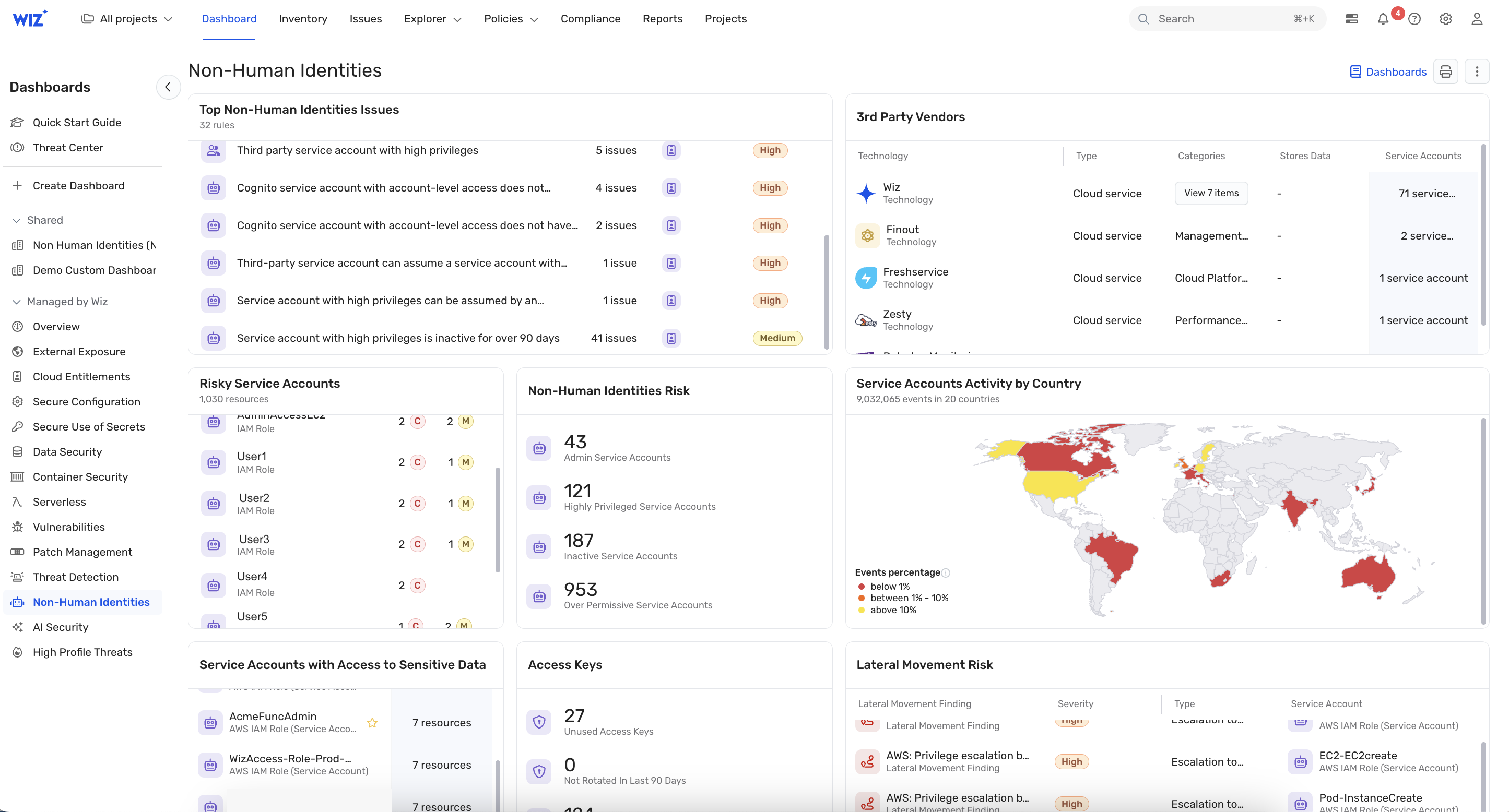
Alt text: Wiz dashboard showing non-human identities and risk insights
File name: wiz-non-human-identities-risk-dashboard.png
Wiz provides a cloud security platform that connects code, cloud infrastructure, identities, and runtime into a single security graph. It identifies risks across environments by mapping how vulnerabilities, misconfigurations, identities, and data exposures connect, giving teams a unified view of attack paths and security gaps. The platform supports continuous risk analysis, detection, and response across cloud and AI environments, helping teams prioritize and remediate issues based on context and exposure.
Key features:
- Cloud security posture management: Identifies misconfigurations, vulnerabilities, and exposure risks across cloud environments
- Security graph analysis: Maps relationships between code, cloud resources, identities, and data to surface attack paths
- Agentless deployment: Connects to cloud environments without requiring agents to collect data
- Risk prioritization: Ranks issues based on exploitability, exposure, and impact
Pricing: Pricing isn’t listed on its website
How to Choose the Right AI Security Platform
Start with your environment, not the tool. AI security platforms vary in what they cover, so map your risks, data locations, and existing controls before comparing options. Focus on how each platform identifies, tracks, and controls data and AI activity across your stack.
- Assess your primary risk areas: Identify where sensitive data and AI usage create exposure, including shadow AI, over-permissioned access, and data leakage risks. For example, if employees are inadvertently sharing confidential data through AI prompts, you need a platform that monitors interactions in real time and flags or blocks sensitive data before it leaves your environment.
- Evaluate visibility across data: Confirm the platform discovers and classifies data across cloud, SaaS, on-prem, and AI systems with clear context on access and usage. For example, if sensitive data sits in a SaaS app like a CRM, you should be able to see which users and AI tools can access it and how often it’s being queried.
- Prioritize integration and scalability: Verify support for existing tools such as SIEM, IAM, SOAR, and DLP, and confirm they scale with data volume and AI adoption. For example, when a risk is detected, it should trigger workflows in your existing stack, such as opening a ticket, alerting your SOC, or automatically revoking access.
- Validate governance and continuous compliance: Review how the platform enforces policies, tracks access, and produces audit-ready records across environments. For example, if a regulator asks who accessed sensitive data through AI tools, you should be able to generate a clear audit trail with timestamps, identities, and actions taken.
Why Data-Centric AI Security Is Becoming the Standard
AI tools, agents, and APIs interact with data across cloud, SaaS, and internal environments, often outside traditional controls. A data-centric approach provides an essential layer of security, ensuring AI models only access data they’re permitted to use, and that sensitive information isn't exposed through AI interactions.
- AI risk originates at the data layer: Sensitive data feeds models, prompts, and outputs, so exposure happens through access, movement, and misuse, not just infrastructure.
- AI systems bypass traditional security controls: Agents, copilots, and APIs interact with data directly, which reduces the effectiveness of perimeter and endpoint-based defenses.
- Regulatory and trust requirements are increasing: Teams need clear records of where sensitive data exists, who accessed it, and how it’s used across AI workflows.
- Faster, automated security is now essential: Manual audits can’t keep up with dynamic data environments, so platforms that monitor data activity and trigger remediation workflows help reduce risk as it emerges.
Protect Enterprise Systems with the Best AI Security Platforms
AI adoption isn't slowing down, and neither are the security risks that come with it. The organizations that stay ahead are the ones that don't wait for a breach to find out where their sensitive data lives, who can access it, and how their AI systems are using it.
The right AI security platform gives your team that visibility, enforces controls at scale, and automates the work that's simply too large to do manually. It's not just about preventing incidents. It's about building a security foundation that keeps pace with how your business actually operates.
Cyera is built for exactly that. Its agentless, data-first platform delivers fast deployment, precise classification, identity-aware risk analysis, and automated remediation across cloud, SaaS, and hybrid environments.
Book a demo with Cyera to see it in action.
AI Security Platforms FAQs
What security solutions are available for AI?
AI security solutions span multiple layers of the stack, from data to models to runtime operations. Most organizations use a mix of tools depending on how they build and use AI.
- Data security platforms: Identify and classify sensitive data, control access, and monitor how AI systems interact with it
- AI security posture management: Discover AI models, agents, and tools, and assess risks such as shadow AI and data exposure
- Application and code security: Scan AI-generated and traditional code for vulnerabilities across development pipelines
- Runtime protection: Detect and block threats like prompt injection, data leakage, and abnormal AI behavior in real time
- Identity and access security: Control how users, systems, and AI agents access data and services
What is the difference between traditional security and AI security?
Traditional security focuses on protecting networks, endpoints, and applications by defining perimeters and using known threat patterns. AI security focuses on how data, models, and agents interact, introducing new risks that don’t respect those boundaries.
AI systems access data directly, generate outputs, and adapt over time. That requires continuous visibility into data usage, stronger access controls tied to identity, and monitoring of prompts, outputs, and model behavior. Instead of static controls, AI security relies on ongoing detection and response across dynamic environments.
Do AI security platforms replace SIEM or XDR tools?
AI security platforms don’t replace SIEM or XDR tools. They fill a gap that those tools weren’t built to cover.
SIEM and XDR focus on logs, alerts, and threat detection across endpoints, networks, and systems. AI security platforms focus on data, AI activity, and how models and agents interact with sensitive information.
In practice, they work together. AI security platforms feed data and risk context into SIEM and XDR systems, while SIEM and XDR handle broader detection, investigation, and response workflows across the environment.

Get your AI Security Assessment



.webp)


.svg)